After leaving the military, redefining strength is necessary. Building a robust physique that adjusts to civilian life—respecting past injuries, changing priorities, and sustainable habits—is now more important than combat preparedness.
This manual provides doable tactics to regain functional fitness, put longevity first, and make the most of the discipline you’ve already developed. Let’s proceed.
Why is Post-Service Strength Different?
Strengthening after service is about adjusting to a body that has endured many struggles, not about reproducing boot camp physical therapy. Through strict regimens, military fitness stresses mission readiness; nevertheless, civilian life needs a sustainable strategy that takes into account past injuries, changing priorities, and the lack of imposed rigidity.
The Shift to Civilian Life
Performance requirements, equipment access, and unit schedules determined your level of fitness throughout service. That construction disintegrates after service.
Access to gyms or trainers isn’t assured, and civilian occupations sometimes don’t require the kind of physical demands necessary to maintain combat-ready readiness. In addition, many veterans suffer from wear and tear from their duty, such as back discomfort from load-bearing duties, shoulder instability from frequent drills, or stiff knees from ruck marches.
Modified training is necessary for certain ailments; “pushing through” is not an option. Without the responsibility of a unit, mental health issues like anxiety or PTSD can also sap drive, making consistency more difficult.
Building Resilient Strength Post Service
The goal of functional fitness post-service is to build a physique that supports everyday living, from playing with children to managing chronic pain, not to maximize physical therapy scores.
Audit your movement first: What is painful? What is weak? To save joints, substitute swimming or cycling for high-impact runs. To combat stiffness, give priority to mobility exercises like yoga and dynamic stretching. If you have limited access to a gym, use bodyweight or adjustable resistance bands to make compound motions (squats, pushes and pulls) that mimic real-world work.
Here are some pointers to get you started:
- Adapt, Don’t Force: Adjust workouts to accommodate ailments; for shoulder safety, swap overhead lifts for landmine presses.
- Little Victories Count: Try to get in three 30-minute sessions each week; consistency is more important than intensity.
- Make Use of Veteran Resources: Look into adaptive programs such as VA’s MOVE! or Team RWB’s veteran-specific functional training.
These days, strength is more than simply endurance. What you choose to sustain is more important than what you can withstand.

Rebuilding Resilience with Sustainable Functional Strength
A fitness philosophy that respects your body’s past while emphasizing longevity is necessary for making the transition from military to civilian life. Forget harsh public relations campaigns or boot camp physical training; sustained strength entails modifying military discipline to support a robust, functional body.
Here’s how to rebuild with the right intent:
Lay a Strategic Foundation
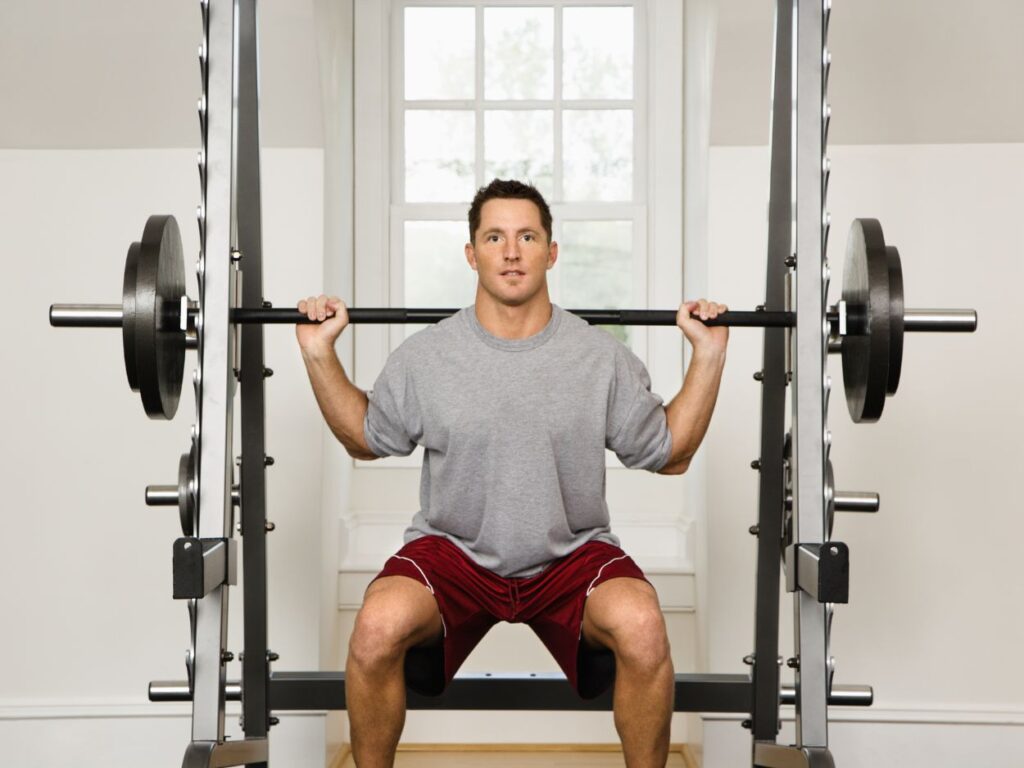
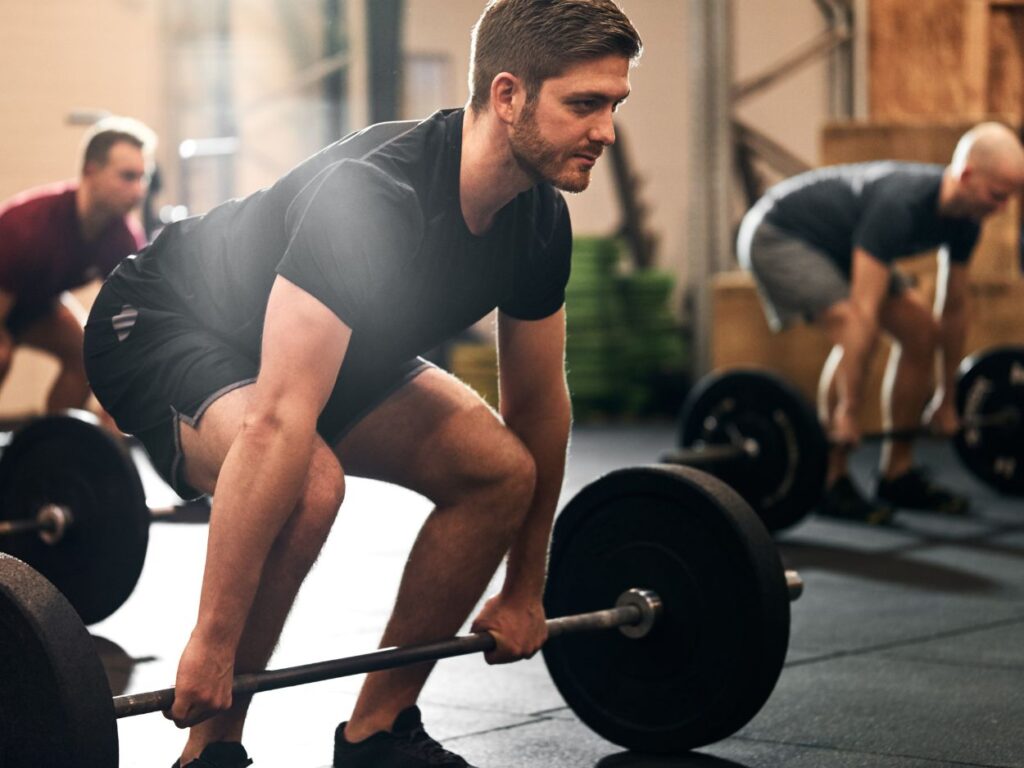
To regain balance and core stability, begin with basic exercises like push-pulls, deadlifts, and squats. If heavier weights cause previous injuries, use sandbags or resistance bands instead. Increase weight or reps by no more than 10% every week. Emulate real-world needs by substituting Farmer’s carry or weighted vest walks for ruck marches (even supermarket bags work!).
Master Movement Quality
Years of grit-over-form training can result in imbalances or tight joints. Make mobility a priority by doing yoga or dynamic stretches every day. Adapt workouts to your body type: Cycling protects knees damaged by aerial operations, while landmine presses relieve shoulder tension. To improve technique, record your lifts or work with a trainer provided by the VA.
Consistency Beats Heroics
Periodic marathon training is inferior to three 30-minute sessions every week. Set SMART objectives, such as increasing your deadlift by 5 pounds in a month, and concentrate on compound lifts. Use apps or a basic calendar to track your progress and tie your workouts to everyday routines, such as before supper or after coffee.
Recover like It’s Your Job
Recovery must be active. Take short walks, foam roll, aching muscles, or practice yoga. Make sleep a priority (7–9 hours) by turning off lights and avoiding electronics just before bed. Drink plenty of water, replace energy drinks with water, and eat protein and vegetables after working out. Make rest days “appointments” that cannot be changed.
Adapt Military Discipline
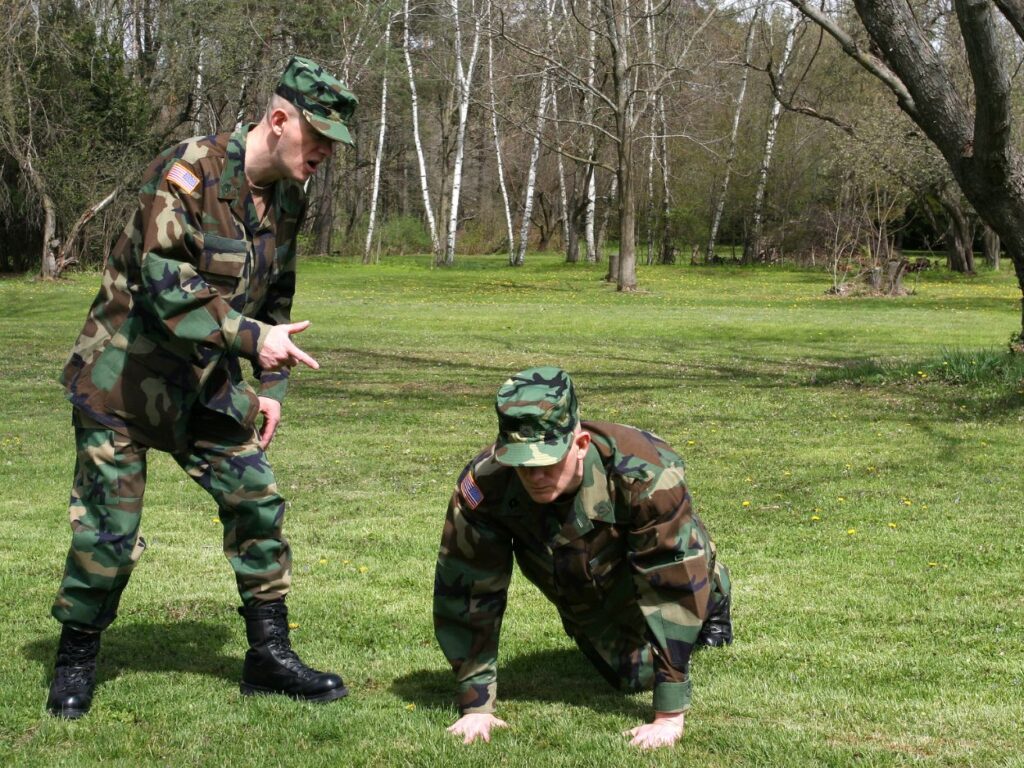
There is no need for 0500 PT for structure. Create adaptable routines, such as body weight circuits over lunch, at-home exercises, or AMRAP (As Many Rounds As Possible) sessions modeled by FOB drills. For accountability, use apps like Team RWB and accept “good enough”—ten minutes of stretching is preferable to skipping a workout.
Find Your Tribe
Isolation hampered progress. Participate in virtual check-ins by recruiting a war buddy or joining veteran groups (Team Red, White & Blue, MOVE! initiatives). A common goal encourages perseverance, whether it’s exchanging physical therapy tales while spotting one another or volunteering to train young athletes.
The Mission Now: Lifelong Readiness
The goal of sustainable strength is to convert discipline into a physique that thrives in everyday life, not to lose your edge. Respect your boundaries, use your grit, and persevere for the sake of your family, yourself, and the future.
A Veteran’s Sustainable Fitness Plan to Rebuilding Strength
Redefining fitness in a manner that values your body, schedule, and mental health is more important than just changing routines after leaving the military and entering the civilian world. Forget about boot camp-style physical therapy; this program emphasizes functional strength that will enable you to play with your children, lift groceries, and perform everyday chores pain-free.
Here’s how to get off to a solid start and maintain it.
- Honestly, Assess Where You’re Starting
Pushing through discomfort is frequently exalted in military culture, yet self-awareness is the first step toward long-term health.
- Physical Check: Is it possible to squat and reach for a laundry basket without experiencing knee pain? After standing for a long time, does your lower back hurt? Take note of any imbalances, stiffness, or previous injuries.
- Mental Check: Are obstacles caused by stress, restless nights, or a lack of motivation? Fitness might be beneficial, but be aware of your current level.
Here’s how you can put this into practice:
- To test your strength and mobility, perform a 10-minute bodyweight circuit that includes planks, push-ups, and air squats.
- Keep a journal for three days with tabs on stressors, pain flare-ups, and energy peaks.
- Create a Minimalist Workout Routine
Begin with three weekly sessions lasting 30 minutes each. Pay attention to the lifting, pushing, and carrying motions that are important in real life.
Sample Week:
- Day 1 (Strength): Arm circles and a 5-minute brisk walk serve as a warm-up. Additionally, perform exercises like the 3×8 Goblet squats (with a kettlebell, dumbbell, or water jug), the 3×10 Push-ups (raising your hands if necessary), and the 3×3 Farmer’s carry (heavy bags).
- Day 2 (Mobility): Do dynamic stretches or 15 minutes of yoga (look up “veteran-friendly yoga” on YouTube).
- Day 3 (Cardio): 20 minutes of walking or bicycling with 5-minute sprints.
Pro Tips:
- For weights, use canned items; for heavy carry, use a backpack
- Combine exercise with routines (e.g., after coffee)
- Master Strategic Recovery
Recovery is a strategy for preventing reinjury, not a sign of weakness.
- Active Recovery: Replace days of rest with foam rolling or leisurely walks.
- Sleep: Turn off screens 30 minutes before bed; to reduce anxiety, practice box breathing (inhale 4s, hold 4s, expel 6s).
- Easy Solutions: For joint support, place a towel beneath your knees while performing planks. Instead of energy drinks, hydrate with water and a dash of salt.
- Measure Progress beyond Pounds
Ignore the scale. Highlight accomplishments such as:
- “Carried my toddler pain-free.”
- “After working out, I slept through the night.”
Here is how you can track wins:
- Maintain a “win jar” by recording accomplishments on paper slips.
- Utilize applications such as Nike Training Club for form guidance or RepCount to track your exercises.
- Adapt, Don’t Quit
Life occurs. Remain adaptable:
- Option B: Are you immobilized at work? Perform desk push-ups or chair squats. If there are any children present, turn playing into piggyback squats or wheelbarrow treks.
- Military Mentality: Always have resistance bands in your vehicle. Remember that “adapt and overcome” also applies here.
- Find Your Tribe
Consistency is killed by isolation. Reach out to:
- Go for local VA’s MOVE! Program or Team RWB fitness events.
- The Veteran’s Fitness Alliance, online.
Pro Tip: To let off steam and sweat, organize a “ruck & talk”—a walk with a friend and a weighted pack.
This has nothing to do with getting back into “military shape.” It’s about creating a physique that suits your needs right now, whether it be for hiking, Little League coaching, or pain-free job completion. Start small, be persistent, and never forget that even if it’s only a tactical shuffle, progress is progress.
What is your current mission? Arrive, adjust, and outlast.
Nutrition for Long-Term Strength
Strengthening a body that has endured ruck marches, deployments, and the adjustment to civilian life is more important than simply lifting weights after service. Long-term strength necessitates a different strategy, one that heals previous injuries, preserves energy and fits with your budget and schedule. Military nutrition was typically defined as “eat what’s available when you can.”
Here are some tips for eating for resilience rather than performance.
Protein: Repair, Don’t Overcomplicate
You don’t require expensive supplements. Pay attention to straightforward, reasonably priced protein sources that have been proven effective by the military:
- Tuna in a can. For a fast sandwich, mix with mayo and enjoy—it’s MRE-proof.
- On Sundays, hard-boil a dozen eggs for quick lunches.
- Strip rotisserie chicken for salads, soups, or wraps.
Why it matters: To maintain stable joints and restore muscle, aim for 20–30g of protein every meal. That equates to around six eggs or a chicken breast plus Greek yogurt each day for a 180-pound veteran.
Hydrate like It’s a Mission
Dehydration exacerbates typical problems for veterans, such as joint discomfort and weariness.
- Electrolyte hack: Season your water with lemon and a bit of salt. It replenishes minerals lost during exercise and is less expensive than sports beverages.
- Timing: Have a glass of water in the morning before coffee. Is it sleeplessness brought on by PTSD or night sweats? Before going to bed, sip some herbal tea (peppermint, chamomile).
Eat “Meals That Move”
Give preference to meals that promote mobility and lessen inflammation:
- Omega-3s: Frozen salmon, walnuts, or canned sardines. These combat stiffnesses are associated with previous injuries.
- Plates with color: Add berries to porridge and frozen spinach to eggs. Antioxidants facilitate healing.
- Complex carbohydrates: Use sweet potatoes or quinoa instead of white rice for continuous energy without the crash.
Tip: Purchase frozen vegetables in bulk to save money, extend their shelf life, and preserve their nutrients.
Ditch the “Good vs. Bad” Mindset
Forget about “clean eating.” After serving, veterans frequently experience emotional eating due to stress, boredom, or insomnia.
- Balance in practice: For late-night cravings, save dark chocolate and combine beer with a high-protein snack (such as jerky or almonds).
- Meal preparation: On Sunday evenings, make stews or chili in bulk. Set aside portions for days when you don’t feel motivated.
Ask for Backup
Utilize the free dietary advice that the VA provides through initiatives like MOVE! Dietitians can modify programs to address PTSD-related sleep problems or past injuries (e.g., lower-calorie diets for knee pain).
Perfection is not the goal of nutrition. It’s about equipping your body to manage whatever comes next, be it playing with your grandchildren, going trekking once more, or simply moving pain-free. Start with a single adjustment, such as adding an egg to breakfast or replacing soda with salted lemon water. Little victories add up to strength over time.
Mental Resilience: The Hidden Rep
Strengthening the mind is more important than simply performing sets and repetitions after service. Veterans are aware that resilience is a skill that must be developed via practice, much like learning a drill. However, a combat companion or a CO to hold you accountable is not a part of civilian life.
Here’s how to train your mind the same way you exercise your body with tactical tweaks, consistency, and purpose:
Start Small, But Start NOW
It takes more than one valiant endeavor to develop resilience. Showing up is a daily decision, even when progress seems intangible. Combine mental “PT” with physical exercise:
- Nurture Mindfulness: Visualize success for 60 seconds before lifting. Not inspired? In any case, it will pay to do it. Motivation comes from discipline.
- Post-Workout Reflection: Write down one victory in your journal, such as “Finished the set despite knee pain.” Progress builds up with time.
Leverage the Unit Mentality
Resilience is undermined by isolation. Bring back the spirit of service:
- Locate Your Fire Department: Participate in exercise clubs run by veterans (Team RWB, MOVE!) or organize a weekly ruck with nearby veterans. Trust is restored through shared hardship.
- Find Someone Else: After workout, text a friend to work out and monitor progress. But remember that accountability is reciprocal.
Reframe the Mission
Your new goal is to develop an adaptable body and mind, not to “get back to military shape.” Functional fitness is more than squats; it’s the endurance to deal with life’s uncertainties. Are you experiencing anxiety or PTSD? It’s important to view exercise as exposure therapy.
- Manage Variables: Pay attention to form, not weight. Confidence comes from mastery.
- Accept Pain: In the middle of your training, acknowledge your suffering (“This is like that 20-mile ruck—I’ve done harder”).
Being resilient is not a quality. It’s a habit. Every repetition, whether mental or physical, matters.
Conclusion
Prioritizing longevity above endurance is necessary to rebuild strength after service. It involves modifying military discipline to respect your body’s heritage while enhancing your ability to withstand hardships in the civilian world.
Lean on your tribe, start small, and be consistent. These days, strength is determined by your ability to endure, not merely survive. Let’s carry on with your quest.
Disclosure: This is not medical advice. Before beginning, speak with your doctor, particularly if you have VA-rated injuries.