Disability does not equate to “done”—ask any optimistic Marine who, after losing his leg, switched in his battle boots for a wheelchair basketball shirt. However, persistent pain, limited mobility, and a dearth of specialized services make fitness a battlefield of frustration for many veterans.
The truth is that your military training didn’t stop when you served. Your hidden weapon in this assignment is the same mindset that taught you to overcome, adapt, and improvise. This isn’t about chasing artificial measurements or driving your body into antiquated regimens. It involves revising the regulations. Consider hydrotherapy to relieve joint pain, using sitting resistance bands to increase functional strength, and adapting sports to rekindle friendships.
Your service helped you develop resilience, which you may now use in exercises that respect your body’s demands. That’s what this tutorial is meant to assist you with. No rah-rah catchphrases. Only doable tactics to recover your power, lessen your suffering, and flourish—on your terms. Adjust. Get over it. Take charge of the battle.
Why “Disabled” Doesn’t Mean “Done”?
After losing his leg in an IED blast, a Marine named Jake thought he would never play competitive sports again—until a VA physical therapist gave him a wheelchair basketball flyer. Two years later, he is mentoring newcomers, demonstrating that a handicap alters the course rather than the possibilities.
Serving in the military develops problem-solving skills under duress, which naturally transfer to adaptive fitness. Instead of asking if you can, a limitation may force you to reconsider your training methods.
Jake’s tale is not the only one: Whether it’s swimming to reduce joint stress, resistance bands for sitting exercises, or adapted sports that rekindle friendship, veterans all around the country are regaining strength via customized regimens.
Here are some practical facts to think about:
- Your physique still conveys a military vibe. Utilize it. Instead of using generic programs, work with trainers or rehab professionals who are knowledgeable in adaptive strategies.
Tip: Free consultations are available at several VA facilities.
- Advancement ≠ PRs. Painless grocery shopping, engaging with your children, or mastering a wheelchair pivot are examples of functional victories. Keep track of what your body needs for survival.
- The key to mental armor is movement. PTSD and sadness are lessened by physical activity—not as a “cure,” but as a help. You can change your perspective in just ten minutes a day.
People with disabilities need to be creative and not give up. Your goal is to define boundaries on your terms, not to push them. “The gym is just another battlefield,” Jake explains. Win the battle by changing the approach.
You learned to adjust during your service. Now, put that grit into your fitness, one modified repetition at a time.
Adaptive Fitness: Building Strength That Honors Your Service
Using what your body can accomplish to develop long-lasting strength, lower your risk of injury, and regain your independence is the goal of adaptive fitness rather than “fixing” your limits. This strategy fits with the military’s philosophy of adapting, overcoming, and concentrating on mission-ready functioning for veterans.
Here’s how to incorporate these ideas into your fitness quest:
Start with Your Baseline, Not Someone Else’s Finish Line
Put an end to monotonous rituals. Consult with a VA physical therapist or adaptive trainer to evaluate your mobility, pain thresholds, and objectives. For instance, resistance band exercises or sitting rows can increase upper-body strength without putting undue strain on the body if a spinal injury prevents standing activities.
Gaining more grip strength or extending a workout by five minutes are examples of accomplishments worth recording because progress isn’t linear.
Train for Life, Not Likes
Pay attention to motions that are applicable to everyday situations, such as carrying groceries, playing with children, or negotiating uneven ground. Exercises in the water, such as pool circuits, improve endurance and lessen joint stress. If balance is an issue, try wall-assisted squats or chair yoga for flexibility.
What is the objective? Strength in practicality that helps maintain your independence.
Safety Isn’t Optional—It’s Tactical
Reinjury halts progress. Put good form before intensity. For example, “time under tension”—slower repetitions with lesser weights—is a common strategy used by adaptive athletes to gain muscle safely.
Collaborate with trainers who have earned certification in adaptive approaches; they may identify potential hazards, such as overcompensation, which may result in further injuries.
Your Community Is Your Battle Buddy
The adversary is isolation. Wheelchair basketball and kayaking are examples of adaptive sports that foster accountability and friendship. You may meet people who “get it” through initiatives like the Wounded Warrior Project and the VA’s National Summer Sports Clinic. Social support is beneficial for even solitary workouts; join a Facebook group dedicated to veterans’ fitness or ask a buddy to participate in virtual check-ins.
Redefine Progress
Forget about running marathons. Keep track of functional victories, such as lowering the need for painkillers, climbing stairs more easily, or carrying a laundry basket pain-free. Appreciate small victories because they add up.
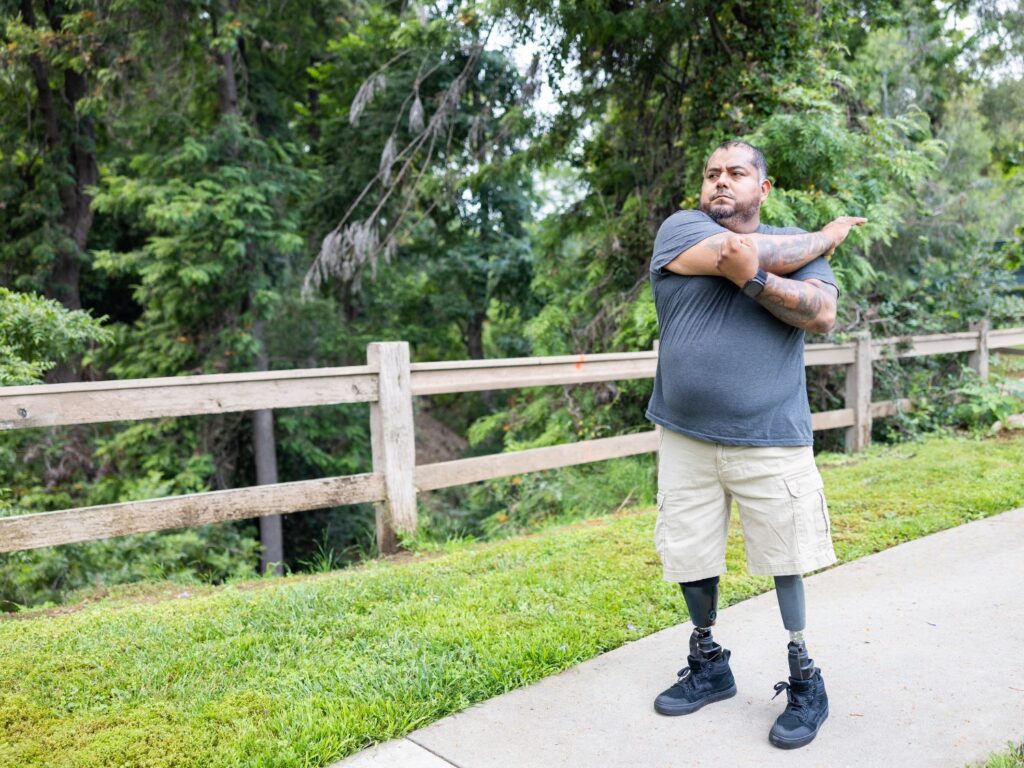
Use Tools, Not Gimmicks
It is not “cheating” to use adaptive equipment. Clever modifications include recumbent cycles, grip aids, and even duct tape (to affix weights for restricted grip). Ask your care team about VA programs that frequently lend equipment.
Your discipline hasn’t changed, but your body has. Start small with a VA Gerofit class or a 10-minute daily stretch program. Adaptive fitness is about long-lasting, practical tactics that respect your service and strengthen your future, not about “inspiration.”
Here are a few resources to act on:
- Programs for VA Adaptive Sports: Free clinics for cycling, surfing, and other sports
- Adaptive Training Academy: Locate qualified trainers in your area
- Veterans’ groups in the area: Adaptive exercise courses are offered by several YMCAs
Strength is about consistently standing up for yourself and according to your terms, not about how you compare to other people. Pursuing this mission is worthwhile.
Adaptive Workouts: Practical Solutions for Lasting Strength
Each veteran’s body has a tale to tell. The goal of adaptive fitness is to develop resilience by intelligently using what you have, not to ignore your limits.
Here are some practical, no-nonsense ways to overcome typical obstacles:
Mobility Limitations: Work Smarter, Not Harder
Switch to sitting or water-based activities if standing workouts cause joint or balance pain.
- Seated Strength: Fasten a resistance band to a door for overhead presses or seated rows. Use dumbbells for bicep curls or modified shoulder presses.
- Water Workouts: Many VA facilities provide hydrotherapy pools, which lessen impact while increasing endurance. Try sitting aqua circuits with foam weights or water walking.
Chair yoga workouts will help enhance your stability and flexibility. Concentrate on modified warrior postures or sitting spinal twists.
Chronic Pain: Move to Manage, Not Magnify
Pain asks for respect, not submission. Regulated and low-impact exercise can restore strength without flare-ups.
- Yoga for Real Life: Breathwork and light stretches are key components of adaptive hatha yoga. Straps or blocks can provide support in positions like child’s pose or cat-cow.
- Core Stability: Use wall-assisted bird-dogs or planks on your knees to strengthen your stomach, which is essential for lowering back discomfort.
- Pacing: Divide exercises into 10-minute blocks. Example: Three sets of deep breathing, band pulls, and sitting leg lifts.
Fatigue: Short on Energy? Think “Micro-Wins”
Although fatigue is inevitable, consistency is more important than intensity.
- Arm Cycling: For cardio that doesn’t strain your legs, use a handcycle, which many VA rehab facilities lend out.
- Task-Based Training: Convert everyday chores into physical activity. Carry groceries with a weighted backpack for posture exercises, or sit to stand in a chair for sit-to-stands.
- Pair Up: For accountability, team up with a “fitness battle buddy.”
Social fuel is even added by a wheelchair basketball game once a week.
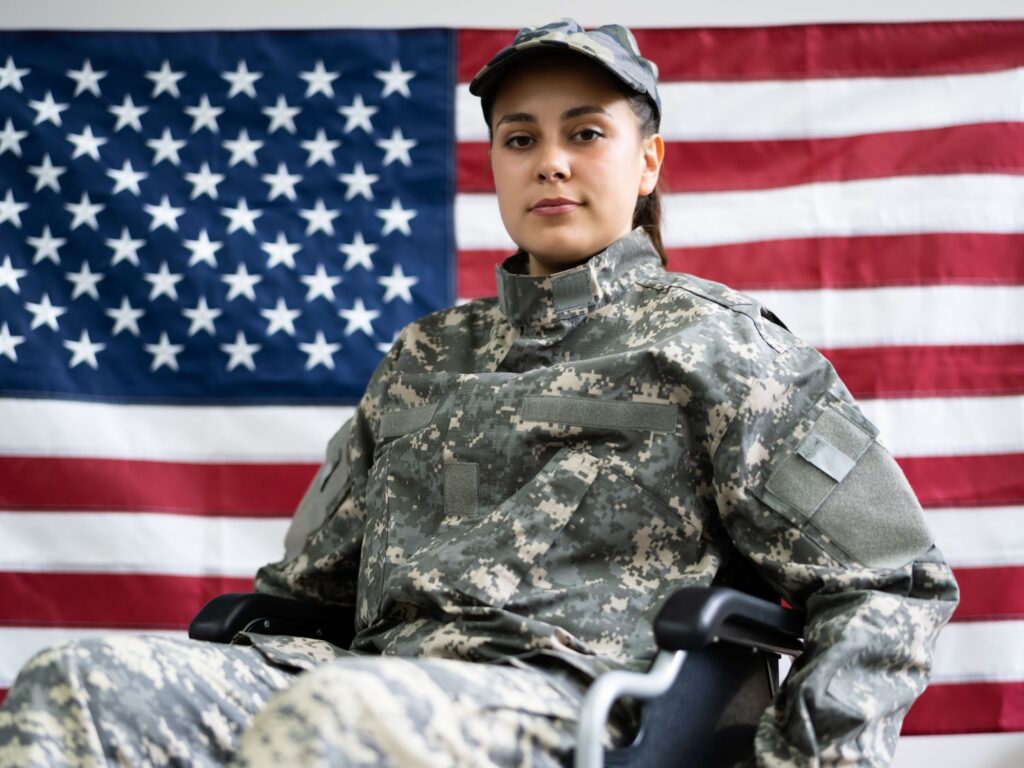
Equipment Hacks: Use What Works
No specialized equipment is required.
- Resistance Bands: Fasten them to a wheelchair or other stable chair and use them for leg extensions, chest presses, and rows.
- Mods for the home: Pack books for weighted carrying in a backpack. For sitting sliding leg curls on wooden flooring, use a towel.
Adaptive Sports: Where Function Meets Fun
Sports help to restore community and purpose.
- Wheelchair Basketball: These help improve cooperation and cardiovascular fitness. Local VA chapters frequently host teams.
- Adaptive Cycling: You may ride a handcycle on highways or trails. Rides are organized by organizations such as the Wounded Warrior Project.
- Swimming: Swimming in open water or lap pools, using a buoyancy belt if necessary, strengthens the entire body.
Exercise should not cause issues; it should solve them. Start with one change: Try a VA-adapted yoga session or substitute sit-to-stands for standing squats. Progress is about living with less pain, greater freedom, and the silent pride of standing up for oneself, not about lifting weights.
You can take guidance from the resources below:
- VA Adaptive Sports Clinics: Free coaching and equipment are available
- Several local YMCAs: Discounted adapted exercise courses are available
- Homemade Mods: For improved grip, use duct tape weights; for sitting resistance workouts, use a belt.
Adapt, modify, and outlast. That’s the goal.
Mental Resilience: Redefining “Strong”
Veterans define “strength” as the ability to adjust to life’s unexpected turns rather than the amount of weight they can lift. While physical fitness is important, mental toughness is what keeps you going when things seem to be going slowly or when pain flares up.
With the exception of the rah-rah phrases, here’s how you construct it:
Trade “No Pain, No Gain” for “Small Wins, Big Impact”
Don’t bother with long workouts. Establish micro-goals first, such as a quick stroll, three wall push-ups, or five minutes of sitting stretches. Intensity is subordinated to consistency. Your brain is rewired to concentrate on what you can control rather than what you’ve lost as a result of these minor successes.
Use Structure like a Tactical Advantage
Transform military discipline into enduring practices. For instance, ten minutes of resistance band workouts can be combined with an existing daily routine (such as having coffee in the morning). Structure generates momentum and lessens decision fatigue.
Seek Support as You’d Call in Air Cover
Seeking assistance is a tactic, not a sign of weakness. Participate in peer-led organizations like Team RWB or work with VA adaptive trainers who obtain your medical history. They will adapt exercises and comprehend the mental challenges of reinventing themselves.
Breathe like It’s a Mission
Breathing control isn’t “wellness jargon.” To reduce tension during flare-ups or annoyance, use the 4-4-4 technique (inhale for 4 seconds, hold for 4 seconds, then exhale for 4 seconds). It is portable, free, and supported by DOD recovery procedures.
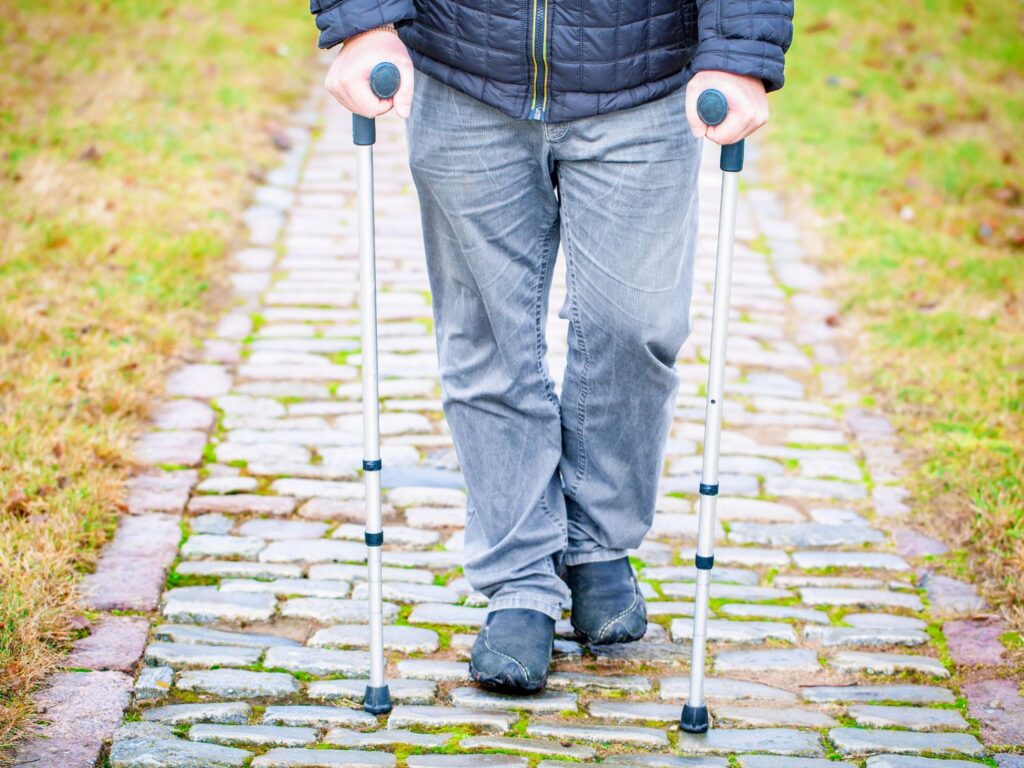
Redefine “Progress”
Strength might be demonstrated by:
- Walking without the use of pain medication
- Dozing off all night
- Attending an online yoga session while you’re feeling lonely
- Keep a close eye on these victories just as you would on reps
Being resilient is about making wise changes, not about clenching your teeth. Your body has changed, and so may your thoughts. Begin with a single shift: Even if it’s only for five minutes, replace “I should” with “I will.”
Take action:
- VA Mind-Body Therapies: Free yoga, mindfulness, or tai chi classes.
- Combat Partner Check: Text your daily micro-goal to a buddy who is a veterinarian. Accountability is effective.
There is no end line for strength. It’s appearing, changing, and surviving—according to your wishes.
Nutrition for Pain Management & Energy
Food is more than simply nourishment for veterans dealing with chronic pain or exhaustion; it’s a tool. Consider your diet as tactical support: well-chosen foods may help you maintain mission readiness, regulate energy, and lessen inflammation.
Quiet the Noise (Pain Management)
Chronic pain is frequently caused by inflammation. Make anti-inflammatory meals a priority, such as leafy greens, turmeric in soups or scrambles, and fatty fish like salmon (try to eat twice a week).
Dehydration exacerbates joint stiffness, so staying hydrated is equally important. Drink plenty of water and consider herbal drinks that reduce inflammation, such as chamomile or ginger.
Sustain Your Fire (Energy Stability)
Don’t use shortcuts. Sugars and processed carbohydrates provide you with a little energy boost before crashing it. Instead, for long-lasting energy, combine complex carbohydrates (sweet potatoes, oats) with lean proteins (chicken, eggs). To bridge meals, provide snacks like Greek yogurt or almonds.
A few useful Intel considerations are as follows:
- Prep smart: Batch-cook proteins and roast veggies for grab-and-go meals.
- Hydrate wisely: If you perspire a lot while working out, consider electrolyte tablets or adding a touch of salt to your water.
- Spice as medicine: For taste and anti-inflammatory properties, use garlic, turmeric, or cinnamon in place of salt.
Dietitians (funded by DVA) and the VA’s MOVE! The program may customize regimens to meet your requirements; there are no sales pitches for supplements, only sensible adjustments.
It matters to make small, regular improvements. Apply the discipline you’ve developed for endurance training to your fueling habits. With each meal, you have an opportunity to strengthen your body’s resilience.
Final Thoughts
Your quest for fitness is not an isolated endeavor. Support is essential, from VA physical therapy programs and adapted sports with Team RWB to nearby gyms that can accommodate your requirements.
Have you found a variant of the sitting row that helps with back pain? Post it below; your modification could lead to a breakthrough for another veteran. Strength is the ability to adjust on a daily basis, not just the number of repetitions. Consult your healthcare team before beginning—smart methods respect boundaries rather than disregard them.
Are you prepared for more? Next, learn about Movement-Based Mental Resilience. Adapt, conquer. Take control of the battle one modified win at a time.